

What Is Automotive Diagnostics?
Diagnostics is the process of determining whether there is any issue with your vehicle. The first step to identify a problem with your car is to check for errors codes. These codes can indicate the issue and could suggest that you need to replace the part. If the problem isn't diagnosed correctly, you could end up spending more money than you need for repairs.
Car diagnostics
Car diagnostics is a program that allows you to identify the exact issues within your vehicle. It uses built-in processors microchips, and sensors to detect and diagnose problems quickly. These computerized systems monitor the engine of your car and are able to detect issues before they cause your car to fail. These tests can detect many issues that could be affecting your vehicle.
If your car is running slower than usual, it could be an indication of a problem. The dashboard should have warning lights if your vehicle is slowing down. The issue could be with the engine, the oil tank or the computer. Regardless of the cause an examination to diagnose the issue will aid your mechanic in identifying the issue and address it quickly.
The main tools of car diagnostics are the CAN bus and the OBD port and the on-board diagnostics system. These systems have sensors that monitor the activity of a car and send trouble codes to a repair shop for analysis. However, certain issues that are identified by a vehicle diagnostic software require more investigation under the hood.
The owner of a car can conduct basic diagnostic tests on their vehicle and even fix basic problems using their own expertise. If they aren't certain about the codes , they can engage a mechanic. These services can be expensive for professional mechanics.
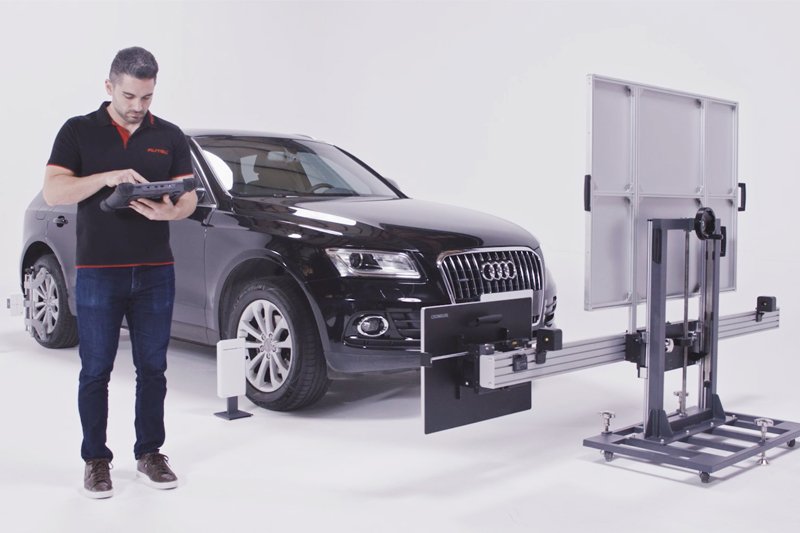
Car diagnostic tools
Car diagnostics tools enable you to determine if your car has problems while you are still driving. The check engine light on your dashboard could signal that something isn't working and could indicate many problems. It could be caused due to issues in any part of the vehicle such as the engine, transmission, and exhaust systems. You can use a diagnostics tool to pinpoint the reason for the check engine light and fix them as soon as you can.
A car diagnostics tool operates by accessing the data memory of the vehicle's onboard electronics and control units. The tool then analyzes the data stored to determine if there is any issue with your vehicle. If a fault is detected it will generate error codes that must be examined using online databases.
With so many parts in cars, diagnosing problems with a car can be overwhelming. A car diagnostics tool will help you identify minor problems before they escalate into major issues. Whatever your situation, whether it's an entirely new car or a used one, a diagnostics tool will provide the data you need to make an informed choice regarding your vehicle's future.
Utilizing a diagnostics tool is essential to repairing your vehicle and thereby saving money. A simple check engine lamp could be a sign that your fuel cap isn't tight enough. It is possible to tighten it and get the information you need to repair the issue. If you aren't able to fix the problem yourself you can bring your vehicle to an expert mechanic.
Diagnostic costs
Diagnostics are performed on cars to determine the cause of problems with vehicles. Diagnostic tools can read trouble codes from control modules in the system and display the description of the trouble code, as well as live sensor data. Technicians can then conduct individual tests on related components to determine what is wrong. Sometimes, the diagnostics process may take several hours.
There are two options to charge diagnostic fees: a flat rate or based on how long the technician takes to diagnose the problem. Certain diagnostics can take a long time while others may take only half an hour or less. While it's ideal to explain the process to your customers in depth but some customers may not understand. Therefore, charging a flat rate simplifies the process of billing and more transparent.
While mechanics are adept at diagnosing cars, they are lacking communication and customer service skills. The foundation of trust can be built by being honest and honest with your mechanic. It is also important to look for instances where the mechanic waives diagnostic costs. These are great ways for you to thank them for their assistance.
The average cost of automotive diagnostics ranges from $88 and $111 for general diagnosis. If you have a rare problem with your vehicle don't make assumptions about. Tell the technician that it's something you'd like to fix it, and he'll use general diagnostics and information from the vehicle to identify the solution.
Check engine light
The check engine light is a sign for a potential engine malfunction. It could indicate a range of issues, including problems with the fuel/air delivery system. The light could also indicate a problem with a module or sensor. There are a variety of methods to identify the issue.
The first step in diagnosing the check engine light is to identify the diagnostic trouble code. This code comes from the computer system of your car and logs information that will aid a mechanic to identify the problem. The code will contain information regarding the area that requires attention. Technicians can access this information by connecting an OBD reader through the OBD port.
The engine could be unable to start If the CEL flashes. This could cause expensive repairs, like a damaged catalytic convert. The most common causes for engine fires are problems with the fuel and ignition systems. It is recommended to seek help from a professional in the event you are unable identify the cause.
Other common causes of the check engine light include the gas cap being in error, an internal engine problem, or an increase in hydrocarbon emissions. No matter the reason for the check engine light, it is best to have it checked as soon possible. Once you've identified a problem, the check engine lamp should shut off. If it doesn't, the issue with your vehicle could be more serious.
Cap on the gas
If your car is not running properly or is consuming a lot of fuel, you may be having issues with the gas cap. The gas cap's design can let dirt and impurities into the fuel system of your car. This can alter the pressure of fuel injection. This can affect your vehicle's fuel delivery which can reduce its mileage as well as increasing emissions.
The gas cap of your car should be tightly sealed against the fuel tank, preventing moisture and water from entering it. It should be held in place by a solid "click." If you can't hear a click then the gas cap may not be tightly closed. If it is loose, you should try to gently wiggle it to see if it fits tightly.
This error message is likely caused by a loose gas cap. It can be fixed by tightening the gas cap until you hear a click. If the error persists it is recommended that you bring your vehicle to a mechanic to conduct further diagnostics. Loose gas caps can cause major issues and may require costly repairs if they are not addressed.
You can use an OBDII scan to diagnose gas cap issues. The device connects to an OBDII port under your steering column. The OBDII port appears similar to an printer's port. After scanning your car the scanner will display an alphabetical list of codes. Certain codes are associated with the gas cap, while other codes are related other problems.
Pico Diagnostics
Pico Diagnostics is a comprehensive tool that lets you check your car's engine health. The diagnostic tool is connected to the battery and runs tests like compression misfire detection, cylinder balance and misfire detection. The software then displays the results in an abar graph. Users can also choose to print reports.
car diagnostic test can be used with any make or model. With its simple-to-use interface, it allows technicians to conduct diagnostics on any vehicle. Pico Automotive Diagnostics Kits are offered in 4-channel and 2-channel versions, as well as commercial vehicles diagnostics kits. The Pico Automotive Diagnostics Kit has been awarded numerous times for its reliability and effectiveness.
The PicoScope is a cost-effective and versatile diagnostic tool that can transform your PC into an effective diagnostic tool. It will help you determine the root of car's problems through an illustration of the problem. It also gives easy-to-understand reports that detail the condition of every component. PicoDiagnostics' test for batteries, for instance, measures the condition of the batteries and then compares it to the battery's rating.
The PicoDiagnostics software uses a J2534-compliant interface and is compatible with many different sensors in vehicles such as sensors that use an alternate speed signal. The PicoDiagnostics automotive diagnostics software includes a unique NVH system that analyzes vibrations to help identify NVH problems in cars. It works with Windows 7/8 and 8 and can be used as a standalone program or with Pico Technology's support. This auto diagnostics system is extensively utilized in thousands of workshops all over the world, is recognized for its ease of use and accuracy.